
Concrete is known for its strength and durability, which is why it’s so commonly used in construction projects around the world. But despite its robust nature, it’s not immune to cracks (which can be a cause for both homeowners and builders). Not only do they look bad, but they can also weaken the concrete’s integrity. That’s why you should do what you can to prevent them. Learning the cause of concrete cracks is the first step toward prevention.
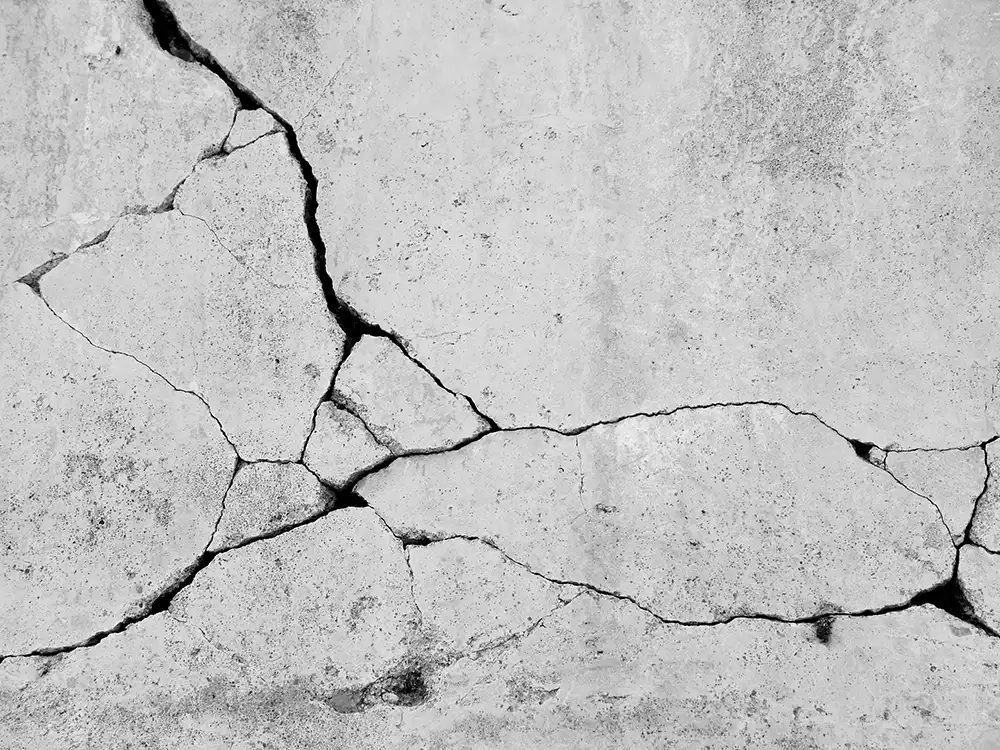
Types of Concrete Cracks
Some of the common types of concrete cracks include the following:
- Hairline Cracks — These cracks are located at the surface and should be repaired before they get wider, become hazardous, or collect dirt.
- Shrinkage Cracks — These cracks can occur while the concrete is curing. They can be reduced or even prevented with proper joint placement.
- Settlement Cracks — These cracks can happen when the ground under the slab wasn’t properly compacted and part of the concrete has shrunk.
- Structural Cracks — These cracks will be wider than a credit card or run through the entire slab, and they’re a clear sign that the concrete needs to be replaced.
Be sure to speak to a professional for more information.
Causes of Concrete Cracks
Here are some of the common causes of concrete cracks:
- Shrinkage — Concrete contracts and shrinks as it cures, which can cause the concrete to crack on its surface. In most cases, the cracks are superficial. So, they don’t pose any structural threat.
- Expansion — Extreme heat can cause concrete to expand, which can put a great deal of stress on the slab. As it expands, the concrete will push against anything in its path. If neither is able to flex, the resulting force will cause the concrete to crack.
- Settlement and Foundation Issues — Uneven settlement of the soil under a concrete slab can cause it to crack. When one part of the slab settles more than another, it can put it under a great deal of stress (which can lead to cracks). Foundation problems (such as poor soil compaction or inadequate support) can make this problem worse.
- Temperature Fluctuations — Extreme temperature fluctuations can cause concrete to expand and contract, which can lead to cracks. It’s common in areas that experience a broad range of temperatures and where freeze-thaw cycles are common.
- Excessive Weight — If the concrete has to support more weight than its load-bearing capabilities, it can start to crack. This becomes a concern for driveways, parking lots, and industrial floors.
Be sure to speak to a professional for more information.
Preventing Concrete Cracks
Here are some of the ways that you can prevent concrete cracks:
- Proper Mix Design — Control joints are intentional, pre-planned cuts in the concrete that act as relief points for shrinkage and movements. They can be helpful in controlling where cracks occur and can keep them from spreading haphazardly.
- Proper Curing — This involves keeping the concrete moist and at a consistent temperature for an extended period after the concrete has been poured. This can keep it from drying too quickly, which can cause it to crack during the curing process.
- Soil Compaction and Foundation Prevention — You want to make sure the soil under the concrete has been properly compacted and graded, because it will minimize uneven settlement. Making sure that the foundation has been properly prepared is also important for crack prevention.
Be sure to speak to a professional for more information.
Repairing Concrete Cracks
You can repair concrete cracks with any of the following methods:
- Surface Crack Repair — A simple patching compound or filler can be used to repair minor surface cracks. Just clean the crack, apply the filler, and smooth it out for a seamless finish.
- Epoxy Injection — If you have larger or more serious cracks that can affect the concrete’s structural integrity, an injection of epoxy can be a durable and effective way to repair them. The resin is injected into the cracks, which will seal and reinforce them.
For complex and extensive cracks, it’s a good idea to contact a professional. A qualified contractor will be able to look at the damage, determine the cause, and come up with a viable solution.
If you’re looking for one of the best places for repairing and replacing concrete in Corpus Christi, Texas, be sure to reach out to Streem Foundation Repair. We have a team of experienced professionals who would be more than happy to speak with you about your specific needs.