
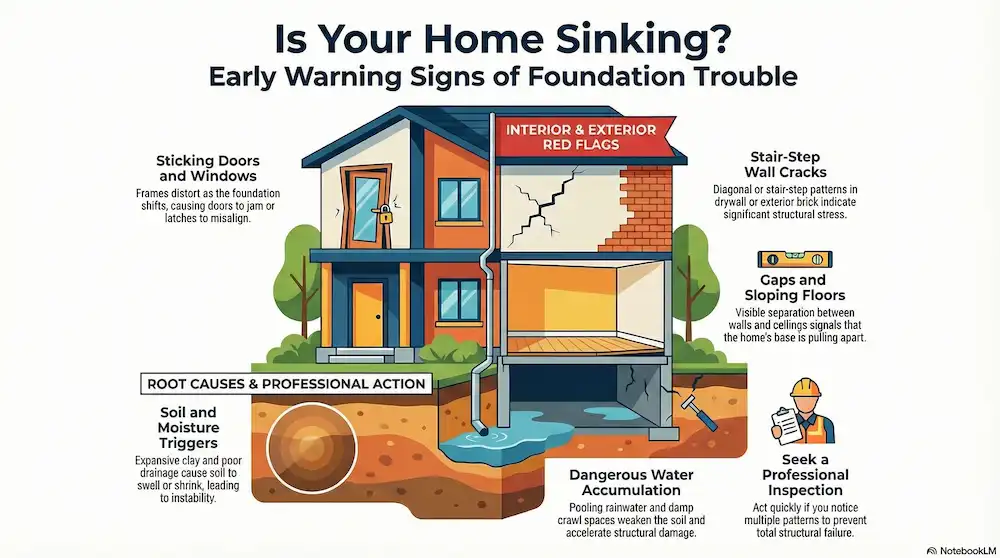
Your home’s foundation is the most important structural element of the entire building. It supports the weight of your home, keeps everything level, and ensures long-term stability. When foundation problems start, they usually develop slowly—but the warning signs often appear long before serious damage occurs.
Recognizing these early indicators can help you avoid expensive repairs and protect your home’s structural safety.
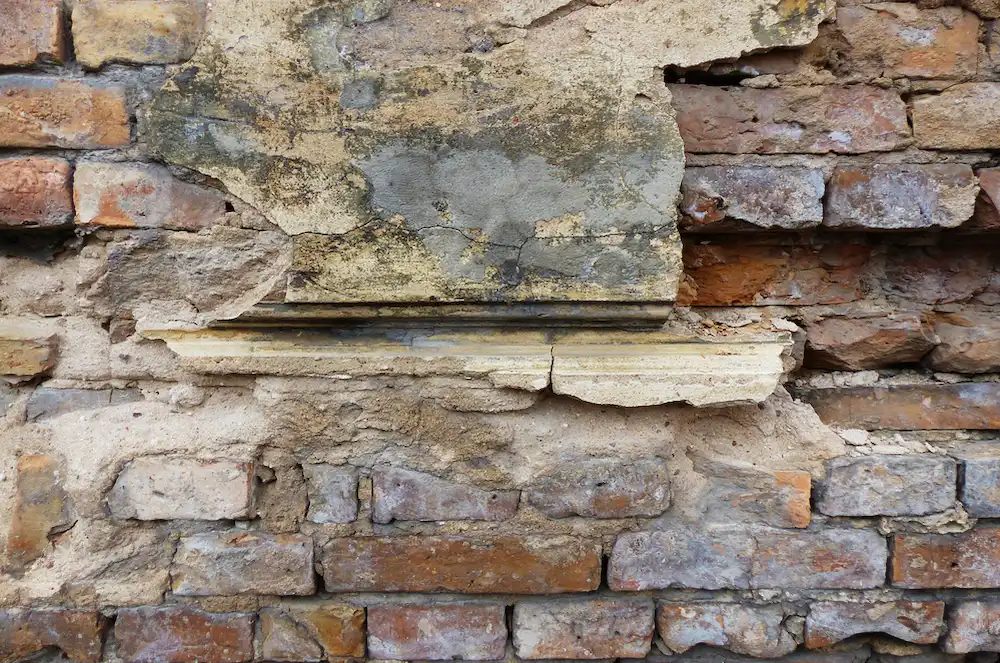
Cracks in Walls and Ceilings
Cracks are one of the earliest and most noticeable signs of foundation movement. Small hairline cracks can happen naturally as a house settles, especially in newer homes. However, cracks that widen over time, run diagonally, or appear in stair-step patterns may indicate deeper structural issues.
These cracks often appear near doors, windows, or corners of rooms. When the foundation shifts unevenly, the stress transfers upward into the walls and ceilings, causing visible damage.
If cracks continue to expand, it may be necessary to evaluate your home through professional Foundation Repair Services
Doors and Windows That No Longer Fit Properly
Another early sign of foundation movement is difficulty opening or closing doors and windows. When the foundation shifts, the entire frame of the house can become slightly distorted. This misalignment causes doors to stick, jam, or fail to latch properly.
Windows may also become harder to slide or may develop small gaps around the frame. These issues usually start gradually but worsen over time as the foundation continues to move.
In many cases, this problem is addressed through Structural Repair Services
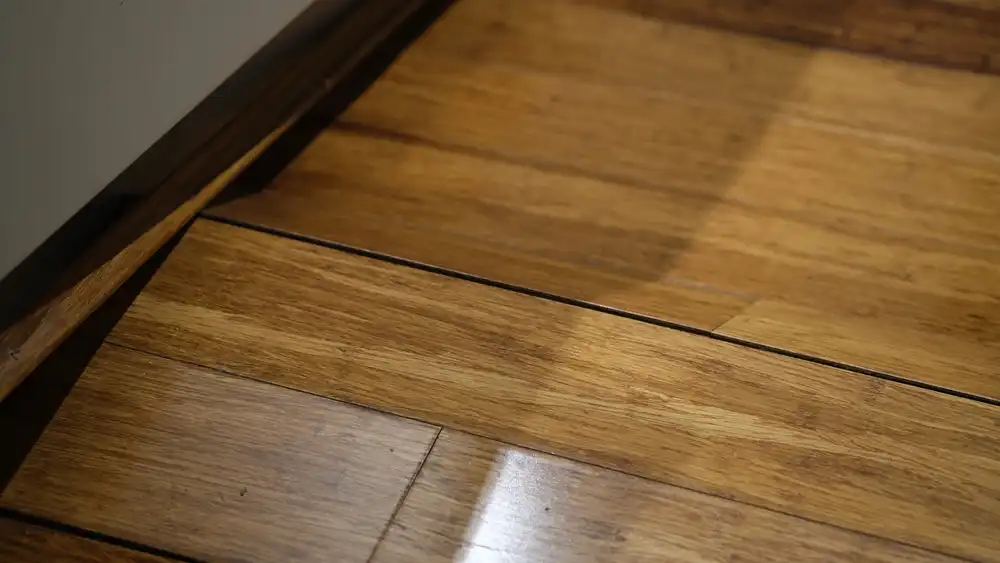
Uneven or Sloping Floors
Floors that feel uneven or sloped are a strong indicator of foundation settlement. You might notice furniture leaning slightly, or objects rolling across the floor on their own.
This happens when the soil beneath the foundation compresses unevenly, causing parts of the structure to sink more than others. Over time, this can worsen and lead to visible dips or sagging in flooring materials.
Gaps Between Walls, Floors, or Ceilings
As a foundation shifts, different parts of the home may begin to separate. This creates visible gaps where walls meet ceilings, floors, or even door frames.
These separations are a sign that the structure is no longer evenly supported. In some cases, homeowners may also hear subtle creaking or popping sounds as the building adjusts to movement.
Cracks in Exterior Brick or Concrete
Exterior cracks are just as important as interior signs. Stair-step cracks in brickwork or horizontal cracks in concrete walls often indicate structural stress beneath the surface.
Unlike cosmetic cracks caused by surface wear, these cracks often reflect movement in the foundation itself. If left unchecked, they can widen and allow moisture intrusion, leading to further deterioration.
Water Accumulation Around the Foundation
Poor drainage allows water to pool around the foundation, weakening soil stability and increasing pressure on the structure.
According to the U.S. Environmental Protection Agency (EPA), proper stormwater management helps reduce structural damage caused by excess water around buildings.
Moisture in the Basement or Crawl Space
Excess moisture in basements or crawl spaces can indicate cracks or weaknesses in the foundation. Water intrusion not only affects structural integrity but also encourages mold growth and poor indoor air quality.
Even small amounts of dampness should not be ignored, as they can worsen over time and lead to significant repair costs.
Bowing or Leaning Walls
Walls that appear to bow inward or lean are a serious sign of foundation stress. This usually occurs when external soil pressure builds up against the foundation walls.
As pressure increases, the walls begin to bend or shift. This is considered an advanced stage of foundation damage and requires immediate attention to prevent further structural failure.
Separation Around Chimneys or Attached Structures
Chimneys, porches, and other attached structures often have their own foundations. When the main foundation shifts, these structures may begin to separate from the house.
You may notice visible gaps, tilting, or cracks where the structure connects to the main building. This is a clear sign of uneven settling and should be evaluated as soon as possible.
Nails Popping Out of Drywall
Although it may seem minor, nails popping out of drywall can indicate subtle movement within the home’s structure. As the foundation shifts, walls expand and contract slightly, loosening nails and causing them to push outward.
If this issue happens repeatedly in the same area, it may be linked to underlying foundation movement.
What Causes Foundation Problems?
Foundation issues are commonly caused by environmental and soil conditions. Expansive clay soil, moisture fluctuations, poor drainage, and tree root growth can all contribute to instability.
When soil becomes too wet, it expands and puts pressure on the foundation. When it dries out, it shrinks and creates gaps underneath the structure. This constant movement leads to long-term stress on the home.
When Should You Take Action?
Not every crack or sticking door means serious damage, but multiple warning signs should never be ignored. The key is to look for patterns and progression over time.
If issues continue to worsen, a professional inspection is strongly recommended. Early detection is always more cost-effective than major structural repairs later.
Schedule Your Foundation Inspection Today
If you’ve noticed any of these early warning signs, it’s important to take action before the damage becomes severe. A professional Foundation Inspection Services can determine the root cause and help you choose the right repair solution.
Protect your home’s safety, stability, and long-term value by addressing foundation issues early. stability, and long-term value by addressing foundation issues early.